
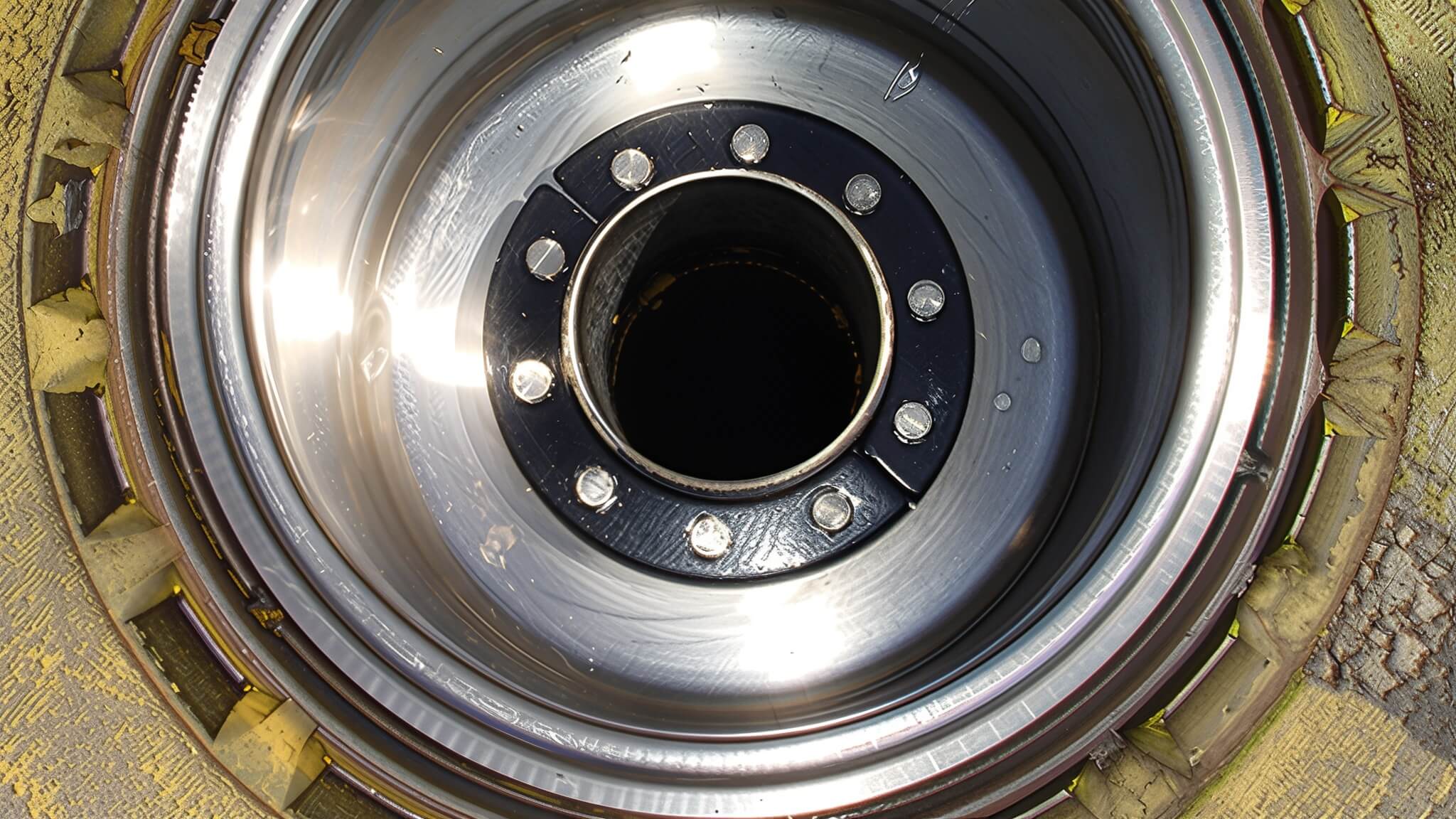
Spill buckets, also called overfill prevention buckets, are a critical line of defense in underground storage tank (UST) systems. Installed at each dispenser, they capture small spills and overfills during fueling, preventing product from entering the environment. But like any component, spill buckets require routine testing to ensure they function properly. In this post, we’ll dive into why spill bucket testing matters for environmental protection, regulatory compliance, and equipment longevity—and how you can implement an effective testing program.
1. What Is Spill Bucket Testing?
Spill bucket testing verifies that each bucket’s drain valve, float switch, and containment capacity meet industry standards. The process typically involves:
- Visual Inspection: Checking for cracks, corrosion, or debris buildup.
- Float Switch Operation: Introducing water or air pressure to activate the float mechanism and confirm automatic shutoff.
- Drain Valve Function: Ensuring the built-in valve opens and closes properly to allow safe drainage.
- Capacity Verification: Confirming the bucket holds the required 5 gallons (or local standard) without overflow.
2. Key Benefits of Regular Testing
- Environmental ProtectionProperly functioning spill buckets prevent fuel from escaping onto pavement or into storm drains—stopping soil and groundwater contamination before it starts.
- Regulatory ComplianceEPA’s Spill Prevention, Control, and Countermeasure (SPCC) rule and state UST programs mandate spill bucket integrity checks at least annually, with more frequent inspections in some locales.
- Early Issue DetectionRoutine testing catches worn or stuck float switches, cracked buckets, and clogged drains before they become service-stopping failures.
- Reduced Liability & CostsFixing a faulty float or valve is far less expensive than remediating contaminated soil, defending environmental fines, or replacing entire dispensers.
3. Industry Standards & Testing Methods
- UL 2241 guides spill bucket design and performance requirements.
- API RP 1615 recommends procedures for UST integrity and overfill prevention testing.
- EPA 40 CFR §280.35 specifies spill bucket testing frequencies and recordkeeping.
Typical testing methods include:
- Hydrostatic Testing: Filling the bucket with a measured volume of water to check capacity and float activation.
- Pressure Decay Testing: Applying low air pressure to the float switch chamber to verify seal integrity.
- Leak-Down Testing: Observing pressure drop over time to detect minute leaks around the drain valve.
4. Best Practices for Effective Spill Bucket Testing
- Establish a Testing Schedule
- Annual Full Tests per EPA requirements
- Quarterly Quick Checks to inspect for visible damage or debris
- Use Certified TechniciansEnsure staff hold state UST operator certifications and follow written testing protocols.
- Employ Proper Equipment
- Calibrated Flow Meters for precise water volumes
- Digital Pressure Gauges with sensitivity to 0.1 psi for air-pressure tests
- Maintain Detailed RecordsDocument date, technician name, bucket ID, test method, results, and any corrective actions—vital for audits and trend analysis.
- Integrate with Other UST ServicesCombine spill bucket testing with line-tightness and leak-detection services to minimize site visits and overall downtime.
5. Common Issues & Troubleshooting
- Float Switch StickingDebris or corrosion may prevent movement—clean or replace floats as needed.
- Cracked or Warped BucketsUV exposure and heavy foot traffic can damage buckets—inspect seals and replace compromised units promptly.
- Drain Valve FailureValve springs can weaken or corrode—test regularly and install stainless-steel valves for greater longevity.
- Improperly Adjusted Stop-Fill:Overfill devices sometimes fail to shut off at the correct volume—verify set points during testing.
Frequently Asked Questions
Q: How often must spill bucket testing be performed?A: At least annually under federal and most state UST regulations, with quarterly visual inspections recommended for high-traffic sites.
Q: Can I perform daily visual checks myself?A: Yes—daily walk-around inspections help spot debris or obvious damage, but detailed functional tests should be done by certified technicians.
Q: What happens if a spill bucket test fails?A: Immediately tag the dispenser out of service, repair or replace the faulty component, then retest before returning to operation to maintain compliance and safety.
Spill bucket testing is more than a regulatory checkbox—it’s a proactive strategy to safeguard your site, the environment, and your bottom line. By adhering to industry standards, employing trained technicians, and keeping meticulous records, you’ll catch small issues before they escalate into costly failures or compliance violations.