
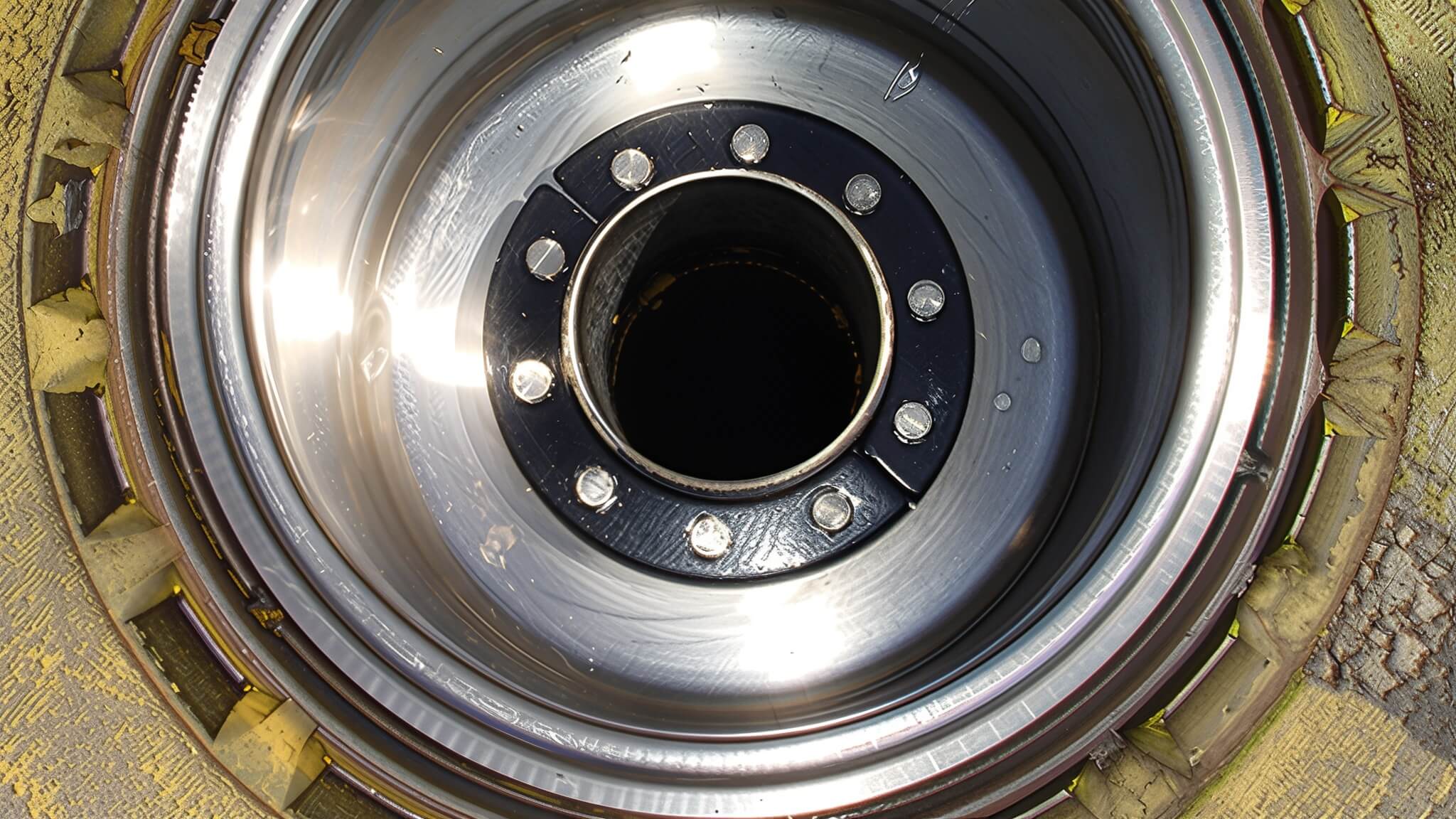
Fuel spills pose significant environmental and financial risks for fuel station operators. One of the most critical components in preventing fuel leaks during deliveries is the spill bucket—a containment system designed to catch small fuel drips before they seep into the ground. However, if a spill bucket is damaged or compromised, it can become a major liability.
Regular spill bucket testing ensures that these systems remain functional, helping businesses stay compliant with regulations while protecting the environment and avoiding costly fines.
What is a Spill Bucket and Why is it Important?
A spill bucket is a containment device installed around the fill pipe of an underground storage tank (UST). Its primary function is to catch any excess fuel that might spill during the refueling process. Because these buckets are the first barrier against fuel leaks, their integrity is essential for overall fuel system safety.
Over time, spill buckets can degrade due to:
- Weather exposure – Extreme temperatures, UV rays, and moisture can weaken materials.
- Chemical corrosion – Prolonged exposure to fuel and cleaning chemicals can cause deterioration.
- Wear and tear – Regular use can lead to cracks, leaks, or structural failure.
If a spill bucket fails, fuel leaks can seep into the soil and groundwater, leading to contamination, regulatory violations, and expensive environmental cleanup efforts.
Spill Bucket Testing and Compliance Requirements
The Environmental Protection Agency (EPA) and state regulatory agencies require regular testing of spill buckets to ensure they are leak-free and capable of preventing fuel contamination. Most states mandate spill bucket testing every three years, though some require annual inspections.
Key Testing Methods:
- Hydrostatic Testing
- The spill bucket is filled with water and monitored for leaks.
- Any water loss indicates structural failure.
- Vacuum Testing
- A vacuum is applied to detect air leaks.
- If the vacuum level drops, the bucket may have a crack or defect.
- Pressure Decay Testing
- The spill bucket is pressurized, and sensors detect any pressure loss.
- This method is highly effective for identifying even minor leaks.
The Consequences of a Failing Spill Bucket
A damaged spill bucket can lead to serious consequences, including:
- Soil and Groundwater Contamination – Fuel can leak into the environment, leading to long-term ecological damage.
- Regulatory Fines – Businesses can face hefty penalties for failing to meet compliance standards.
- Costly Repairs – Replacing a compromised spill bucket is significantly more expensive than regular testing and maintenance.
Signs Your Spill Bucket Needs Testing or Replacement
If you notice any of the following issues, your spill bucket may need immediate inspection:
- Standing fuel or water inside the bucket
- Visible cracks or signs of deterioration
- Fuel odors around the containment area
- Difficulty draining water from the bucket
Schedule Your Spill Bucket Testing with W-Two Plus
Proactive spill bucket testing ensures your fuel system remains compliant, safe, and environmentally responsible. W-Two Plus offers comprehensive spill bucket inspections using industry-approved testing methods to help businesses detect leaks before they become costly problems.
Protect your fuel system and avoid regulatory fines—schedule your spill bucket testing with W-Two Plus today.