
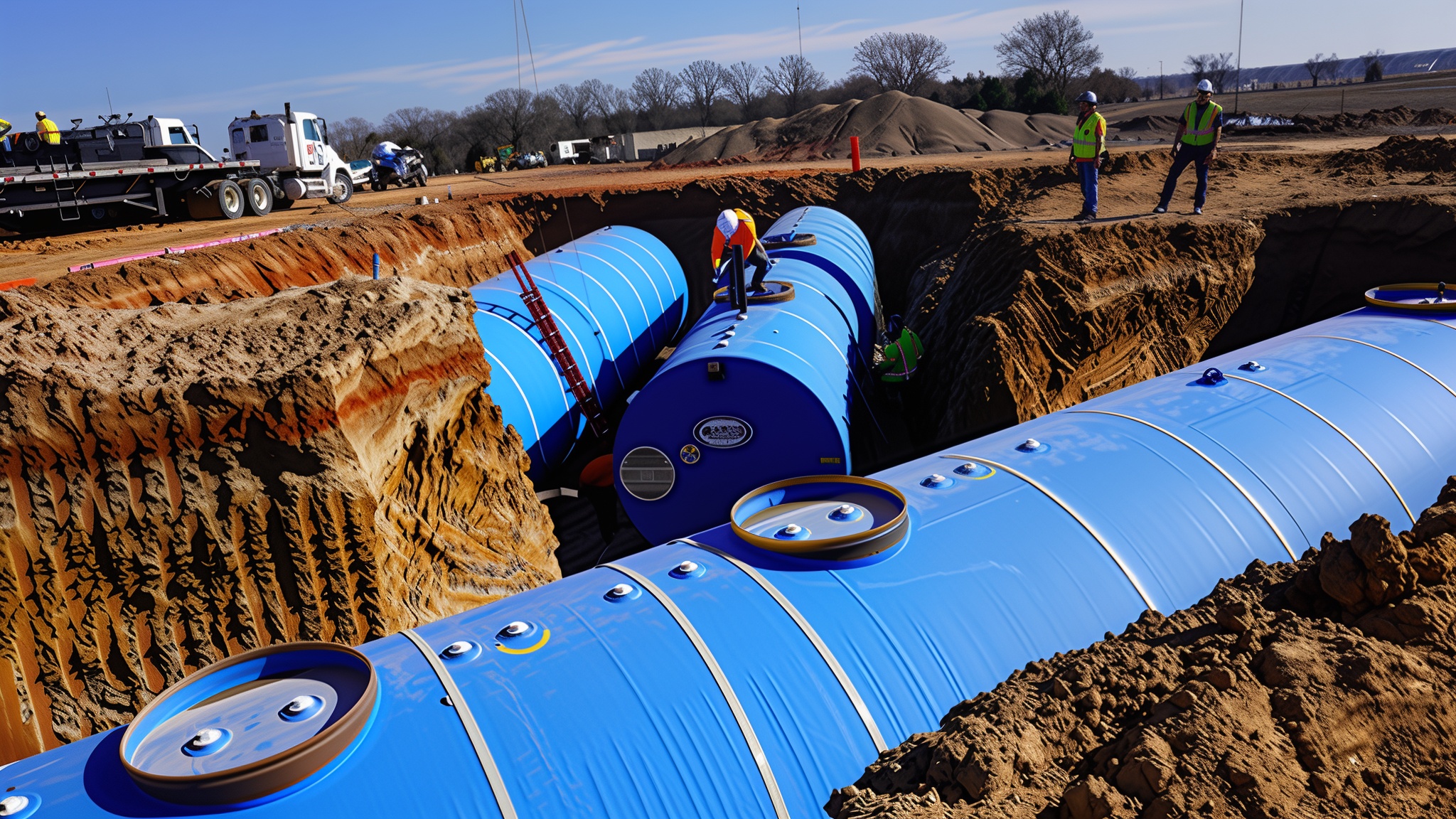
Underground fuel storage tanks (USTs) are essential for fuel stations, but hidden leaks in these systems can cause serious environmental, financial, and regulatory consequences. Unlike visible surface leaks, underground fuel leaks often go undetected for months or even years, leading to costly remediation efforts and potential shutdowns.
To avoid these risks, routine inspections, testing, and proactive maintenance are crucial for any business operating a fuel system.
Common Causes of Underground Fuel Leaks
1. Corrosion and Structural Degradation
Over time, metal storage tanks and piping can corrode, leading to small cracks and holes that gradually expand. Even modern fiberglass tanks are not immune to wear and stress fractures.
How to Prevent It:
- Use corrosion-resistant materials for underground tanks and piping.
- Install cathodic protection to slow down metal corrosion.
- Conduct regular tank camera inspections to identify early signs of degradation.
2. Poor Installation and Faulty Seals
Improperly installed fuel tanks and piping can result in loose connections, allowing fuel to leak into the surrounding soil. Faulty gaskets, valves, and fittings also contribute to slow, unnoticed leaks.
How to Prevent It:
- Hire experienced fuel system contractors for installation.
- Conduct pressure testing to ensure airtight seals.
- Perform routine maintenance checks on seals and connections.
3. Ground Movement and Shifting
Natural shifts in the ground due to temperature changes, flooding, or seismic activity can create stress fractures in underground tanks and pipes. Even small shifts can weaken connections over time.
How to Prevent It:
- Use flexible piping materials that can adapt to ground movement.
- Conduct line testing to detect pressure loss from underground shifts.
- Reinforce underground tanks with proper foundation support.
The Consequences of an Undetected Underground Leak
If underground fuel leaks go unnoticed, they can lead to:
- Soil and Groundwater Contamination – Leaked fuel can seep into the water supply, creating serious environmental and health hazards.
- Regulatory Fines and Legal Penalties – Failure to address leaks can result in fines from EPA and state agencies, potentially leading to business shutdowns.
- Costly Cleanup and Repairs – The longer a leak goes undetected, the more expensive the remediation process becomes.
How to Detect and Prevent Underground Fuel Leaks
The best way to prevent fuel leaks is through proactive inspections and testing. Recommended methods include:
- Tank Camera Recording – Provides an internal view of underground tanks to check for cracks or corrosion.
- Line Testing – Detects pressure drops in underground piping that indicate leaks.
- Spill Bucket Testing – Ensures containment systems are working properly.
- Cathodic Protection Inspections – Prevents metal corrosion that leads to leaks.
Protect Your Fuel System with W-Two Plus
Preventing underground fuel leaks requires expert maintenance, testing, and compliance services. W-Two Plus provides comprehensive inspections and repair solutions to help businesses avoid costly environmental damage and regulatory fines.
Schedule an underground fuel system inspection with W-Two Plus today and safeguard your business from hidden leaks.