by engr.ccdesignpros | Oct 4, 2025 | Blog
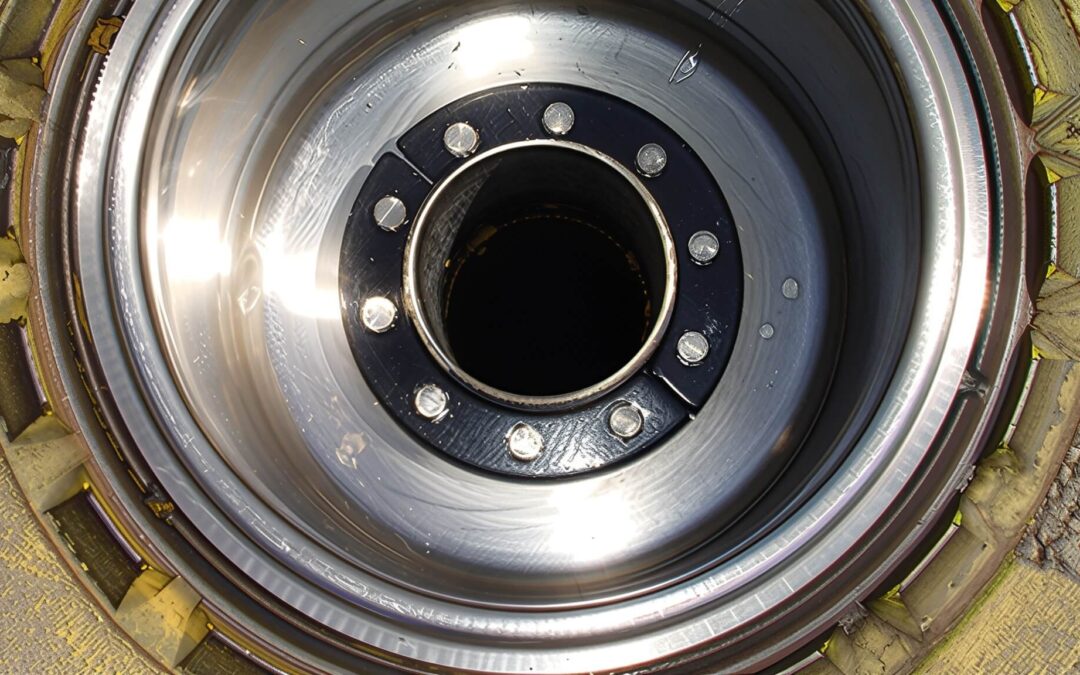
Spill buckets, also called overfill prevention buckets, are a critical line of defense in underground storage tank (UST) systems. Installed at each dispenser, they capture small spills and overfills during fueling, preventing product from entering the environment. But...
by engr.ccdesignpros | Oct 4, 2025 | Blog
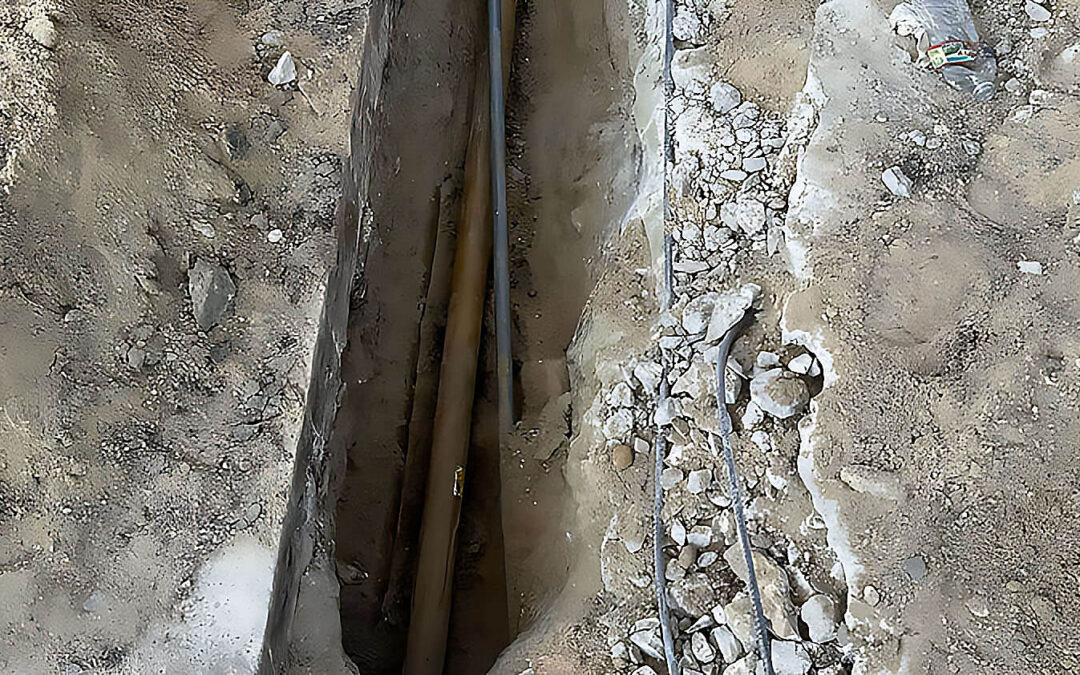
Fuel-delivery lines are the circulatory system of any fueling station. Even minute breaches can lead to environmental contamination, equipment damage, and hefty fines. Proper line testing not only identifies leaks early but also demonstrates compliance with EPA and...
by engr.ccdesignpros | Oct 4, 2025 | Blog
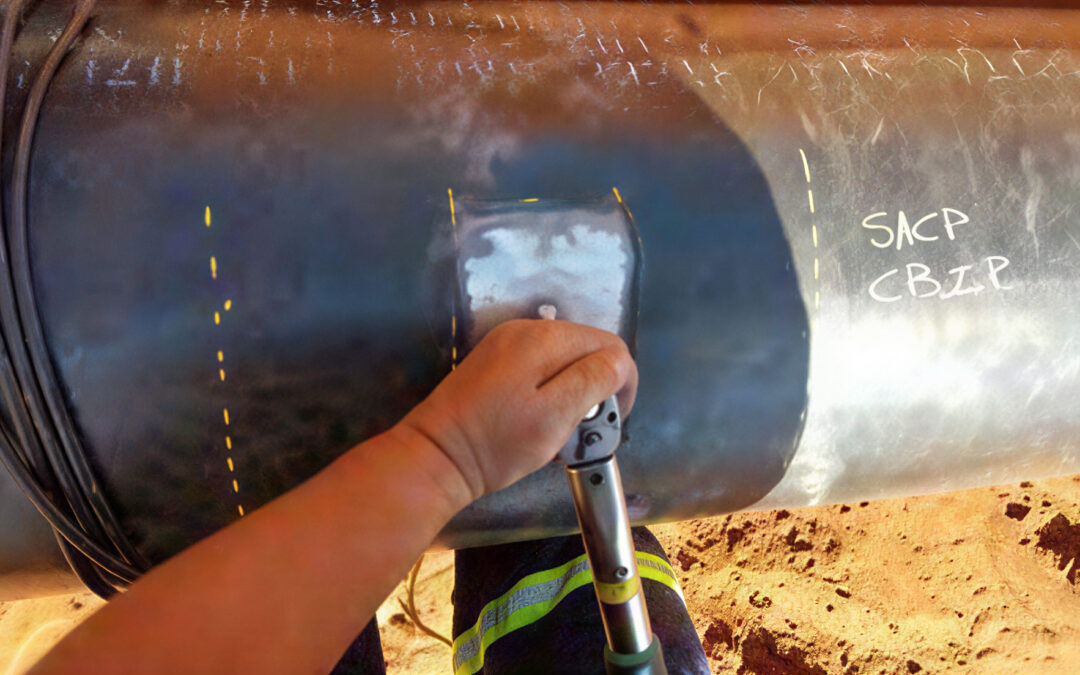
Corrosion is the silent enemy of underground fuel storage systems. Even small perforations in tank walls or piping can lead to leaks, environmental fines, and expensive remediation. Cathodic protection—a proven electrochemical technique—is the industry’s frontline...

by engr.ccdesignpros | Oct 4, 2025 | Blog
Small leaks in underground storage tanks (USTs) and piping can lead to major environmental hazards, costly repairs, and regulatory fines. Traditional air or water pressure tests may miss pinhole defects, while electronic sensors can give false positives. Helium...
by engr.ccdesignpros | Oct 4, 2025 | Blog
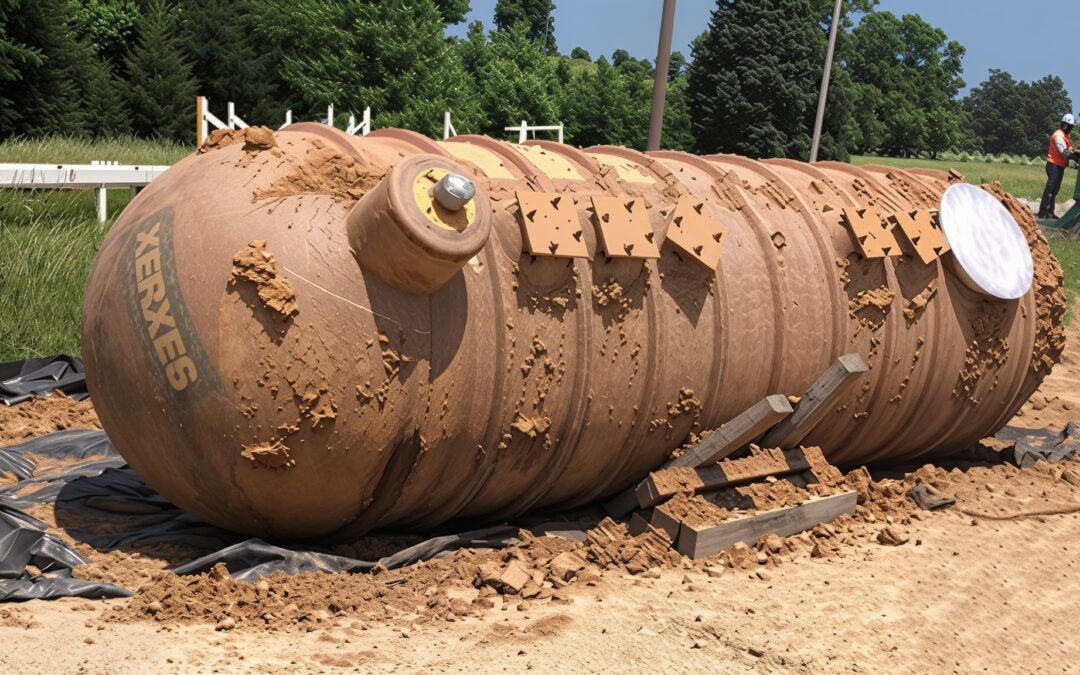
As fueling stations evolve, construction methods must balance efficiency, cost, and environmental responsibility. Today’s “ground-up” installs aren’t just about installing underground storage tanks (USTs) and piping—they’re an opportunity to embed eco-friendly...
by engr.ccdesignpros | Oct 4, 2025 | Blog
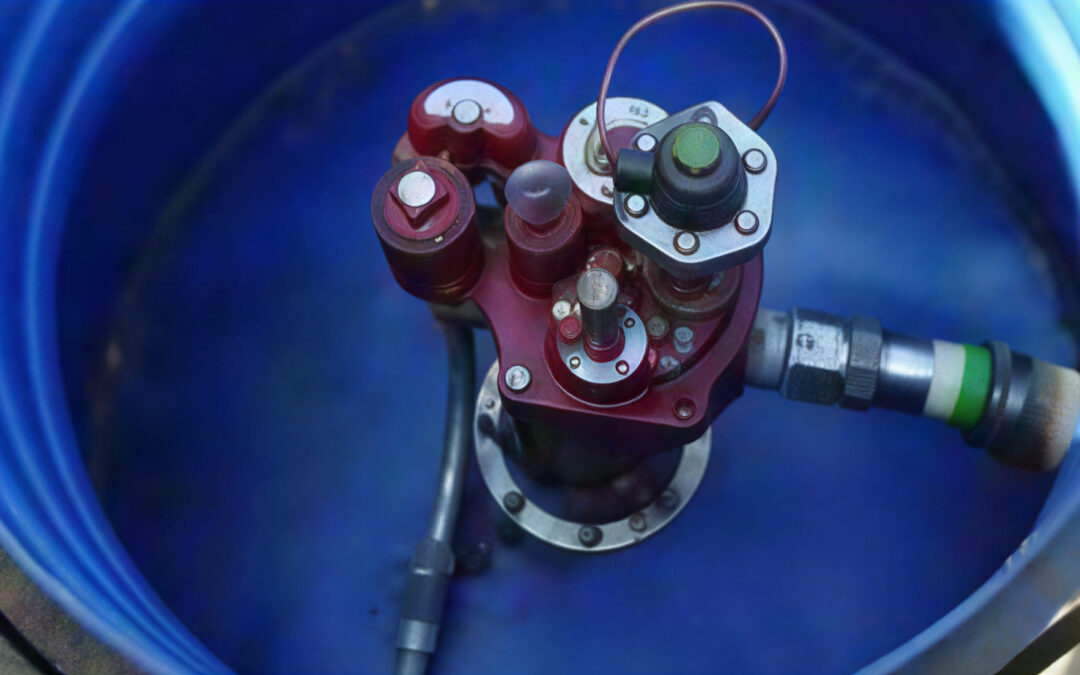
Fuel sumps play a critical role in keeping underground storage tank (UST) systems running smoothly. By collecting water, sludge, and debris at low points in piping networks, sumps protect equipment from corrosion, clogged filters, and false leak alarms. However, when...